
The Risks Of Psychedelic Mushrooms For Cats
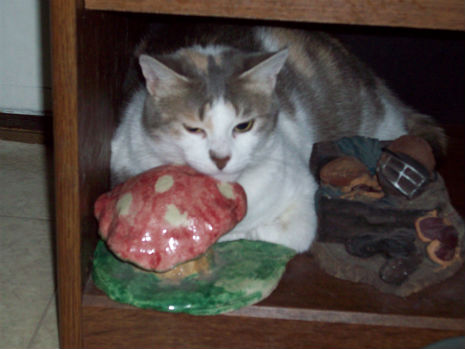
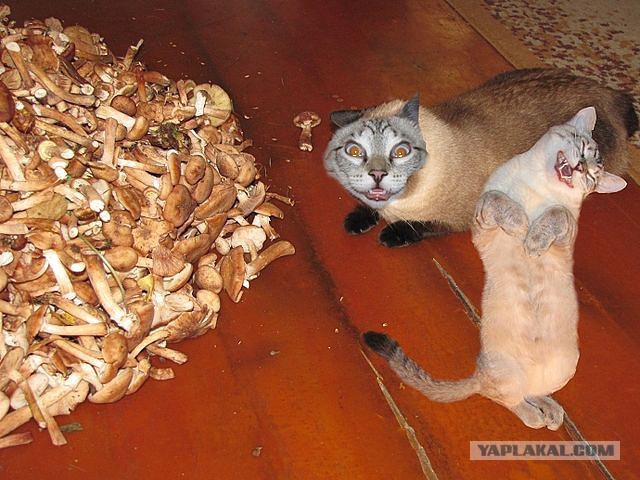
As anyone who has ever owned a cat knows, they are curious creatures. So, it’s not surprising that some cats will eat anything they find, including psychedelic mushrooms.
Psychedelic mushrooms contain a naturally occurring psychoactive compound called psilocybin. When ingested, psilocybin is converted into psilocin, which is responsible for the psychedelic effects.
So, what happens if your cat eats psychedelic mushrooms?
The most likely scenario is that your cat will experience some mild psychedelic effects, such as visual hallucinations. However, there is a risk of more serious consequences, such as panic attacks and vomiting. If your cat ingests a large amount of psilocybin, it could even lead to death.
Therefore, it’s important to keep your cat away from psychedelic mushrooms and to seek veterinary help if they do ingest them.
Even though psychedelic mushrooms are rarely found in public, it is well understood that they can be eaten by pets. Diarrhea and vomiting are possible in mild to severe cases of these illnesses. Poisonous mushrooms, which can be fatal, are often consumed as part of ca. These plants are popular with both dogs and cats, but keep an eye out for any poisonous mushrooms. Your cat may become agitated on his feet, agitation, mild to severe depression, sound and touch sensitivity, trembling, vomiting, and diarrhea after consuming magic mushrooms. The vast majority of mushrooms are safe to eat, but 1% of them are highly toxic to pets.
Many cats enjoy eating store-bought mushrooms, and most mushrooms sold in supermarkets are safe for them. Wild mushrooms are poisonous and should not be consumed by cats, but mushrooms are a small portion of a cat’s diet.
Common house cats can observe things that are out of their sight, according to a study published in the journal Zoonotic. According to Discovery News, cats and certain other animals are likely to detect everything from psychedelic stripes on flowers to flashy patterned feathers on birds, as well as other things humans are unaware of.
Do Hallucinogenic Mushrooms Affect Animals?
 Credit: Scientific American magazine
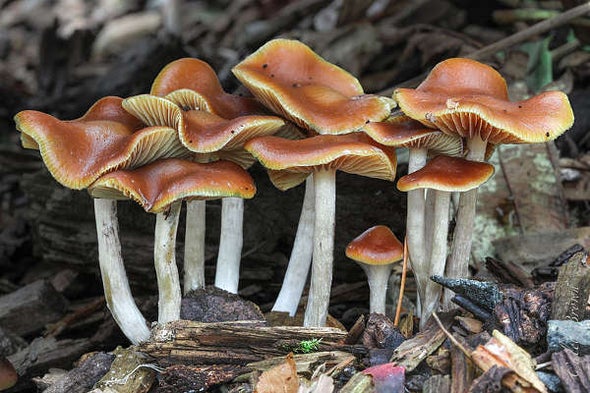
psilocybin and psilocin, both structurally related to LSD and thought to have a serotoninergic effect, are found in the fungus “magic mushrooms.” Mydriasis, mydriasis, ataxia, tachycardia, disorientation, hyperthermia, and anxiety are all common dog symptoms. As a result, there have been no reported cases of seizures or tremors.
Mushrooms: A Risky Supplement For Pets
Humans have been using mushrooms for thousands of years for their healing properties. Mushrooms have been shown to have numerous health benefits in modern research, both for humans and for animals. It is possible to improve coordination, energy levels, and cognitive function as a result of these supplements.
Toxicity, on the other hand, should be considered when feeding mushrooms to pets. If your pet consumes mushrooms, he or she may experience weakness, coordination issues, hallucinations, agitation, and seizures. Toxic substances can also cause a variety of health problems, including kidney and liver problems.
It is common for mushrooms to be present in pet food, unlike in other cases of animal toxicity. If your pet consumes mushrooms from a safe source, he may not have any ill effects, but you should always exercise caution.
It is very beneficial for pets to supplement their diet with mushrooms, but only if they are not harmful to them. Before giving any herbal supplement to your pet, consult with your veterinarian.
Are Mushrooms Harmful To Cats?
 Credit: blogspot.com
There is no definitive answer to this question as different cats will have different reactions to mushrooms. Some cats may suffer no ill effects from eating mushrooms, while others may experience vomiting, diarrhea, and other gastrointestinal problems. If your cat enjoys eating mushrooms, it is best to supervise them closely and consult with your veterinarian if you have any concerns.
There are thousands of different types of mushrooms that can be extremely toxic to dogs and cats when grown in the wild. When dogs or cats consume them, they can become severely ill very quickly, and some die as a result. If you suspect something is wrong with your pet, you should take him or her to the veterinarian as soon as possible. You can appear to have mushrooms all night in your back garden, lawns, parks, walkways, and garden beds. Make sure your back garden is well-cared for on a regular basis, especially if your pet is outside. There are many different types of mushrooms available, with varying levels of toxicity.
Most Common Poisonous Mushrooms By Continent
The most poisonous species in Europe are Paxillus amanus (false morel), Paxillus muscaria (fly agaric), and Paxillus fragilis (fragile Amanita).
In Asia, the most common poisonous mushrooms are the Lentinus species, including the lethal Lentinus edodes (shroom).
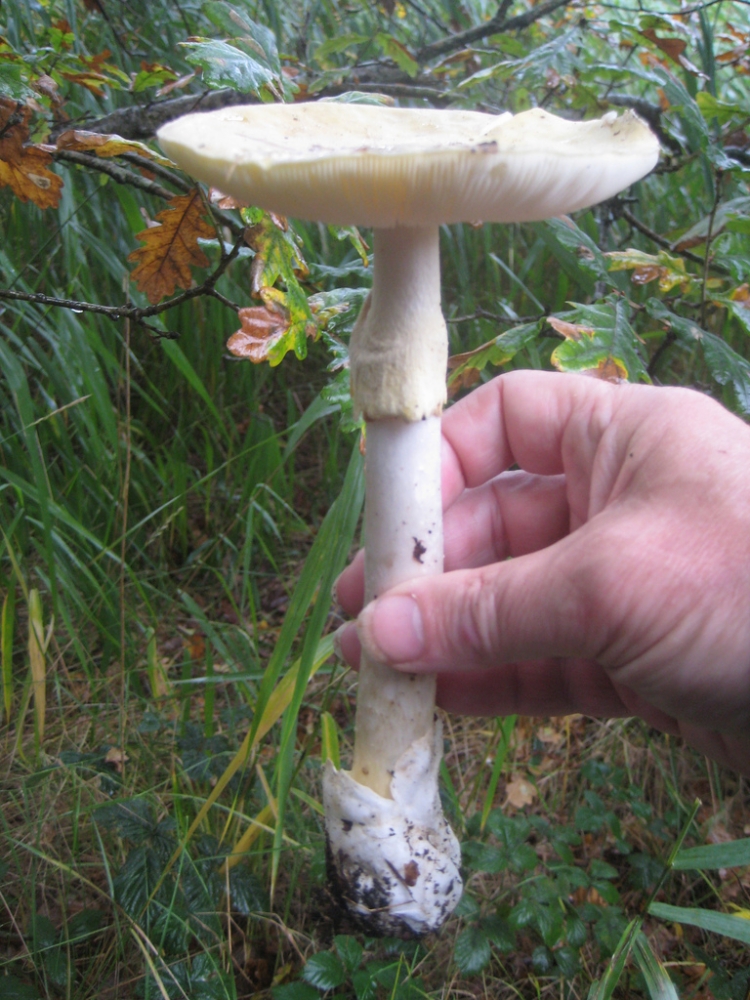
There is no doubt that the Amanita and Paxillus mushrooms can cause poisoning in pets; however, because they contain amanitin, a toxin that can cause liver failure, convulsions, and death, they are especially dangerous.
If you see mushrooms growing in your yard, make sure your pet is kept away from them. If you have a dog that likes mushrooms, keep them away from them.
Can Cats Get Sick From Mushrooms?
 Credit: www.sickchirpse.com
Many mushrooms are toxic to dogs and cats, and many of them have the potential to cause serious or even fatal illnesses.
The vast majority of mushrooms, many of which have been linked to animal toxicity, are toxic to cats. Amanitin-tainted mushrooms are the most common cause of death in humans and pets. Muscarine-containing mushrooms mimic the nervous system of your cat, which is why they are so appealing to cats. Although mushrooms are difficult to identify, they mimic each other, and the most dangerous types are likely to grow next to those with a safe environment. A person who dies from mushroom toxicity usually misidentified the mushroom. If your cat consumes any mushroom, it should be treated as a toxic substance.
Don’t Let Your Pets Eat Mushrooms!
A common ingredient in many foods, mushrooms can also be toxic to dogs and cats. Despite the fact that recreational mushrooms may be legal in some places, pets should be kept far away from them. According to the North American Mycological Association, mushrooms can be lethal to both dogs and cats. Because cats have a different set of taste receptors than dogs, they are unable to consume mushrooms.
Why Are Cats Attracted To Mushrooms?
Dogs are also sensitive to sweet signals. Nonetheless, veterinarians advise against eating mushrooms, and the North American Mycological Association warns that dogs and cats are drawn to the smell of wild mushrooms and can be poisoned if consumed.
The mushroom is high in flavor, making it an easy pick-me-up for cats. glutamate is a type of amino acid found in mushrooms and is widely used in umami foods. Your cat will be safe if you give him the right kind of mushrooms. It is probably not a good idea to give your cat mushrooms on a regular basis. Toxic chemicals and toxins can be present in mushrooms, so they are not suitable for your cat’s health. If your cat has eaten mushrooms, your veterinarian can give you a photograph or description of the type of mushroom. Some cats enjoy the unique flavor of shop-bought and freshly prepared mushrooms. It’s fine to give your cat a small amount of these mushrooms on a regular basis. In general, you should keep your cat’s food and treats to a minimum.
The Risks Of Your Cat Eating Poisonous Mushrooms
As a result, if your cat eats a poisonous mushroom while playing outside, you should be aware of the seriousness of the poisoning symptoms. In contrast, if your cat consumes a hallucinogenic mushroom accidentally, the risk of serious complications is significantly reduced.
My Dog Ate Hallucinogenic Mushrooms
I was out walking my dog yesterday when I noticed he had found and eaten some mushrooms growing in the grass. I wasn’t too worried as I know dogs often eat things they shouldn’t, but when I got home I did some research and found out that the mushrooms he ate were hallucinogenic. I’m now keeping a close eye on him for any signs of toxicity, but so far he seems fine. I’m just glad he didn’t eat too many of them!
The mushrooms are everywhere, so your dog could get hurt. There are numerous types of mushrooms, each of which can be distinguished by its size, color, and shape. If your dog consumes any wild mushroom, regardless of the variety, you should take him to the veterinarian as soon as possible. In most Amanita, Galerina, and Lepiota mushrooms, an amino acid and an phalloidin are found. Animals suffering from eating these mushrooms have a delayed onset of vomiting. The consumption of mushrooms in the store for human consumption is not harmful to pets’ health.
Symptoms Of Mushroom Poisoning In Cats
Pets with these symptoms may appear 20-60 minutes after ingestion and may experience vomiting, disorientation, aggression, hallucinations, tremors, lethargy, dilated pupils, increased body temperature, and increased grooming. Dogs generally recover smoothly within 6 hours, but dilated pupils and drowsiness may last 24 hours.
Because of their natural appetites, dogs and cats are much more likely than other animals to become ill from eating mushrooms. Amanita mushrooms are one of the most poisonous mushrooms, with more than 90% of them being non-toxic. If the situation is urgent, veterinary care can be arranged in a matter of minutes to save a cat’s life. Most mushroom poisoning cases can be treated with supportive care. The symptoms of mushroom poisoning in cats vary depending on the type of mushroom consumed and how it was ingested. Wild mushrooms are the most dangerous source of mushroom toxins, but they are not the only ones to blame. If a cat becomes ill, it is critical that it be evaluated by a veterinarian as soon as possible so that critical treatment can be given.
To begin, you should make certain that any signs of illness your cat exhibits are treated. Vomiting may be induced, gastric lavage may be performed, activated charcoal may be administered, and enemas may be given. Your cat’s survival will be determined by the severity of the signs, the type and quantity of mushrooms consumed, and how well he or she can handle the toxins. Recreational mushrooms such as magic mushrooms should be kept out of the reach of cats and kept away from them. If mushrooms are discovered in your garden or yard, they must be removed. If you have cat mushroom poisoning, your veterinarian may recommend a general supportive treatment.
Aspca Warns Of Wild Mushroom Dangers For Cats
If you notice any of the following symptoms in your cat after consuming a wild mushroom, you should contact your veterinarian immediately: vomiting within a few hours of consuming the mushroom. I had a terrible case of drooling. The perception of sound and light is extreme.
Are Oyster Mushrooms Toxic To Cats
There is no definitive answer to this question as it seems to depend on the individual cat. Some cats seem to be fine after eating oyster mushrooms, while others may experience vomiting and diarrhea. If you are concerned that your cat may be allergic to oyster mushrooms, it is best to err on the side of caution and avoid feeding them to your pet.
Cats and other animals do not appear to be harmful to mushrooms, in general. Some mushrooms can be poisonous to others, according to estimates. Cats frequently consume mushrooms due to their curiosity and aggressiveness, whereas kittens are more likely to do so due to their lack of maturity. In cats, there are numerous varieties of mushrooms, which have been linked to toxicity. Store-bought mushrooms are not typically dangerous to pets. You can eat very little shiitake, button mushrooms, or Portobello mushrooms. The use of spices or seasonings should be avoided. These products may cause irritation to your cat’s stomach. Glutamate, an amino acid, is required for umami flavor production.
Mushrooms That Can Harm Your Cat
Some mushrooms can cause seizures in your cat, and some mushrooms can even cause brain damage. The Galerina mushroom is one of the most common of these mushrooms. The symptoms of mushroom ingestion can appear as soon as they occur, and they can last for up to 72 hours after ingestion.
When cats eat mushrooms, they can develop an otitis media. The most common mushroom of these types is Scleroderma mushroom. Hearing loss and deafness are two of the most common symptoms.
Can Cats Eat Mushroom Soup
However, cats can eat cream of mushroom soup without fear of being poisoned; do not feed it to your cat in large quantities.
Despite the fact that cats are not permitted to consume mushrooms in the same way that humans are, there are exceptions to the rule. While some mushrooms can be purchased on the shelves in small quantities, as a general rule, your cat should avoid eating mushrooms that contain all fungi. Wild mushrooms are extremely toxic to animals, so avoid feeding them to your cat. If you feed your cat store-bought mushrooms, he or she can eat them safely. Even those who are not huge fans of mushrooms can enjoy them. Wild mushrooms, in addition to being poisonous, should not be fed to cats. Because it contains so much salt, sugar, and fat, it is not safe for dogs to consume it.
Is Soup Toxic To Cats?
Soups with high sodium levels and toxic ingredients are generally not safe for cats to consume. If you want to serve cat soup, it is best to make it with non-salt and harmful ingredients. Even homemade soup can’t replace a cat’s regular diet of vegetables and rice.
Can Cats Eat Canned Soup?
Soup may appear strange, but it can provide your dog with a variety of foods to eat at mealtime. Soup is also an excellent choice for cats who struggle to get enough fluid throughout the day, in addition to the best cat food.
Animals Eating Psychedelics
While there is no extensive research on the subject, there are a few notable instances of animals eating psychedelics. In 2012, a study found that dogs who ate grass that had been sprayed with LSD showed no adverse effects. In fact, the dogs in the study appeared to be more relaxed and happy after consuming the LSD-laced grass. Similarly, a study from the 1960s found that when rats were given LSD, they became more relaxed and less fearful.
It’s unclear why animals would eat psychedelics, but it’s possible that they are attracted to the change in consciousness that these substances offer. Psychedelics can cause changes in perception, thought, and emotion, and animals may be drawn to these changes. While there is no definitive answer, it’s clear that animals are interested in psychedelics, and further research may reveal more about their motivations.
Some animals, such as reindeer, moose, and caribou, eat mushrooms in addition to the animals that eat them. These mushrooms contain a substance in their urine that stimulates the release of THC, which stimulates the release of dopamine. In this game, Caribou compete to collect the urine of a herd mate who has been poisoned by fly agaric. Ayahuasca, a psychedelic spiritual aid used by indigenous people and celebrities, contains a high concentration of gyama. A Jageral will most likely trip over harmala alkaloids that are not as potent as Ayahuasca cocktail effects. Iboga is a shrub native to tropical rainforests in Central Africa that grows on sticks. Because ibogaine is a psychedelic compound, it is frequently overlooked in the world of drugs. iboga roots are thought to aid in performance enhancement for mandrills in Gabon and the Democratic Republic of the Congo. Mosquito repellent is applied to the lemur’s body using toxic millipedes.
What Plants And Animals Have Dmt?
DMT can be found in a variety of plant genera, including Phalaris, Delosperma, Acacia, Desmodium, Mimosa, Virola, and Psychotria (Servillo et al., 2012, 2013), but it has been discovered even in innocuous sources, such as
Can Hamsters Eat Magic Mushrooms
There is no simple answer to this question as it depends on a variety of factors, such as the type of magic mushroom and the individual hamster’s health and metabolism. Some types of magic mushrooms are more toxic than others, so it is important to do research before feeding them to a hamster. If in doubt, it is always best to err on the side of caution and avoid feeding magic mushrooms to hamsters altogether.
Owning a pet hamster is an enjoyable experience in a variety of ways, but it is not as enjoyable as visiting the Internet. Animal health professionals lack the same level of veterinary and scientific expertise as those who care for cats, dogs, and horses. Hamsters are frequently poisoned by mushrooms. According to the American Council on Science and Health, carcinogens and anti-carcinogens are naturally present in foods. If mushrooms are cooked with oils, spices, garlic, or onions, they may contain harmful or fattening ingredients, which your hamster may consume. There is some evidence that mushroom extracts can be used to treat cancer. Hamsters are not recommended to consume mushrooms because no scientific evidence exists to support their consumption.
Before adding mushrooms to your hamster’s diet, consult with your veterinarian first. We were unable to find any research that showed whether or not hamsters ate wild mushrooms in the wild. Hamsters in the wild consume both meat and vegetables.
Mushrooms: How Long Do They Last?
The mushrooms you find in your local grocery store most likely came from a farm in California, where they were grown and packed so that they would be on the shelves for at least 10 days. Even if they were fresh when you bought them, mushrooms can become ill from the damage they do over time.
Mushrooms contain a variety of vitamins and minerals, in addition to protein and fiber, and they are a good source of vitamins and minerals. Even if your hamster is capable of ingesting them, you should avoid feeding them because they can contain trace amounts of carcinogenic compounds. You should make certain that the mushrooms you give them are cooked safely and that their overall diet is healthy if you decide to do so.
About Author