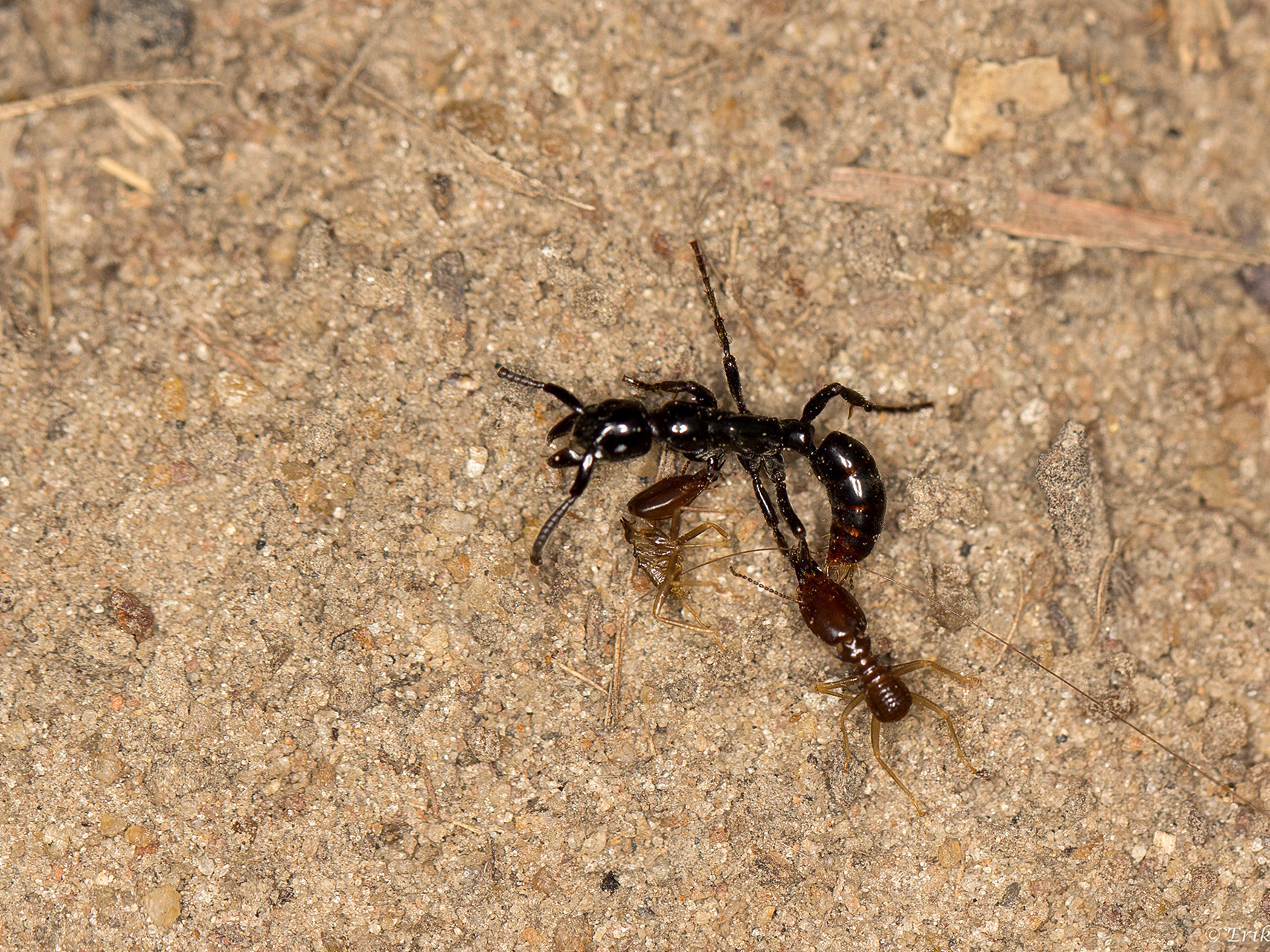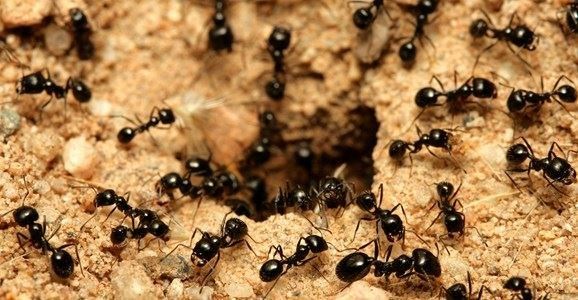


Do tiny creatures like ants, with their unique behavior and mysterious nature, possess the ability to predict earthquakes? We investigate the scientific evidence in this article in search of whether ants can accurately forecast earthquakes.
Scientists have explored ants’ behavior and communication methods in order to gain a better understanding of their world. Although ants are known for their intricate social structure and chemical signaling through pheromones, the question remains: Can they sense the subtle precursors of an impending earthquake? We are pursuing rigorous scientific studies and investigations in order to shed light on this fascinating topic and reveal the secrets of ant behavior in relation
Join us as we explore the anecdotes, scientific studies, and emerging research that surround the possibility that ants can predict earthquakes on this exciting journey. These tiny creatures, as well as their possible connection to seismic activity, are among the most sensitive creatures on the planet. Examine the role of pheromones and chemical signaling in ants’ behavior and find out how they are used and how they are challenged. By the end of this article, you will understand the fascinating world of ants and their relationship with earthquakes better.
We are going to explore whether ants really have the ability to predict one of nature’s most powerful forces, and how much they really know.
The Behavior of Ants
The behavior of ants is a fascinating subject that captivates scientists and enthusiasts alike. These tiny creatures exhibit remarkable social structure, communication methods, and sensitivity to their environment. Understanding the behavior of ants not only provides insights into their intricate lives but also reveals their unique abilities to navigate and thrive in their surroundings.
Ants, renowned for their highly organized colonies, establish complex social structures that enable efficient division of labor and cooperation. Within a colony, ants assume specific roles such as workers, soldiers, and queens, each contributing to the overall functioning and survival of the community. This intricate social system allows ants to carry out tasks with remarkable efficiency and coordination.
One of the most fascinating aspects of ant behavior is their reliance on chemical signals, known as pheromones, to communicate and navigate their environment. Pheromones serve as a language through which ants convey information to one another, such as the location of food sources, danger, or the presence of intruders. By leaving pheromone trails, ants are able to communicate messages effectively, allowing other members of the colony to follow these scented paths to specific destinations. This communication method ensures the efficient allocation of resources and effective coordination among colony members.
Moreover, ants’ sensitivity to environmental changes and their ability to detect subtle cues further highlight their remarkable behavior. These tiny insects possess an exceptional ability to perceive variations in their surroundings, enabling them to respond and adapt accordingly. Whether it’s changes in temperature, humidity, or the availability of resources, ants are highly attuned to their environment. This sensitivity is particularly evident when ants forage for food, as they can quickly detect alterations in scent trails, leading them to adjust their search patterns and optimize their foraging efficiency.
Ants’ navigation skills are truly remarkable. They possess an internal compass that allows them to navigate with precision, even in complex terrains. By integrating various sensory cues such as visual landmarks, celestial cues, and the intensity and direction of sunlight, ants are able to orient themselves and find their way back to their nest. This remarkable navigational ability enables ants to explore their surroundings, gather food, and ensure the survival of their colony.
The behavior of ants offers valuable insights not only into their own lives but also into broader ecological dynamics. Their social structure and communication methods can serve as models for understanding cooperation, division of labor, and effective resource management in various contexts. Studying ants can provide valuable lessons for human societies and organizations, shedding light on efficient systems and strategies for achieving common goals.
Earthquake Precursors
Earthquake precursors, the phenomena that occur before an earthquake, provide valuable insights into the imminent arrival of seismic activities. By understanding these precursors, scientists and researchers aim to develop more accurate methods for predicting earthquakes and mitigating their potential impact. From changes in animal behavior to electromagnetic anomalies and gas emissions, various precursors have been observed, although predicting earthquakes remains a complex challenge.
Defining earthquake precursors is crucial to comprehend the signs that precede seismic events. These precursors encompass a range of phenomena that occur before an earthquake, signaling its imminent arrival. By recognizing and monitoring these indicators, scientists strive to improve earthquake prediction capabilities and enhance preparedness strategies.
One commonly observed precursor is changes in animal behavior. Animals have shown remarkable sensitivity to impending earthquakes, displaying unusual patterns of activity or exhibiting signs of distress. From domestic pets to wildlife, anecdotal evidence suggests that animals can sense seismic activities before they occur. However, effectively harnessing this behavior as a reliable prediction method poses significant challenges due to the diverse nature of animal species and their varied responses.
Another notable precursor is electromagnetic anomalies. Studies have indicated that changes in electromagnetic fields can precede earthquakes. These anomalies can manifest as alterations in magnetic or electric fields, ionospheric disturbances, or radio wave emissions. Monitoring and analyzing these electromagnetic fluctuations provide valuable insights into the potential occurrence of earthquakes. However, accurately correlating these anomalies with seismic activities remains an ongoing area of research and investigation.
Gas emissions also serve as potential precursors to earthquakes. Before an earthquake, certain gases can be released into the atmosphere due to the stress and movement of underground rock formations. These gases, such as radon and carbon dioxide, can be detected and monitored to assess the likelihood of an impending earthquake. However, interpreting these gas emissions and establishing a direct correlation with seismic events poses challenges, as other factors, such as geological processes or environmental influences, can also contribute to gas fluctuations.
Accurately predicting earthquakes poses significant challenges due to the complex nature of these geological phenomena. Earthquakes result from the sudden release of energy along fault lines, making it difficult to determine precise timings and magnitudes. Despite advancements in scientific research and technological capabilities, earthquake prediction remains an evolving field.
Ongoing research focuses on improving the understanding of earthquake precursors and developing more sophisticated monitoring systems. By analyzing vast amounts of data, including seismic recordings, geological surveys, animal behavior observations, and atmospheric measurements, researchers strive to identify patterns and correlations that can enhance prediction accuracy.
Furthermore, the advancement of technologies such as satellite imagery, remote sensing, and machine learning algorithms holds promise for improving earthquake forecasting. These tools enable scientists to gather and analyze data on a larger scale, uncovering potential precursors and refining prediction models. Collaborative efforts among researchers, seismologists, geologists, and data scientists contribute to advancing our understanding of earthquakes and enhancing prediction capabilities.
In conclusion, earthquake precursors offer valuable insights into the imminent arrival of seismic activities. Understanding changes in animal behavior, electromagnetic anomalies, and gas emissions contributes to the ongoing efforts to predict earthquakes accurately. While challenges persist in developing precise prediction methods, ongoing research and technological advancements hold promise for improving our understanding of earthquakes and enhancing our ability to mitigate their potential impact. By unraveling the mysteries of earthquake precursors, scientists strive to make significant strides in earthquake prediction and ensure the safety and preparedness of communities worldwide.
Anecdotal Evidence of Ant Behavior

Throughout history, there have been numerous anecdotes and historical accounts that suggest ants possess the extraordinary ability to predict earthquakes. These captivating stories, originating from different cultures and regions, highlight the intriguing behavior of ants and their alleged anticipation of seismic activities. While these anecdotes offer fascinating insights, scientific investigation is necessary to validate and understand the true nature of these claims.
One such anecdote comes from ancient Greece, where historians documented unusual ant behavior prior to the devastating earthquake in 373 BCE that struck the city of Helice. According to the accounts, the ants abandoned their nests and frantically moved to higher ground before the earthquake struck, seemingly aware of the impending disaster. This observation led people to believe that ants had an innate ability to sense seismic events, thus potentially serving as early warning signs.
Similar stories emerge from different cultures around the world. In China, for instance, there are accounts of ants leaving their underground dwellings and clustering in large numbers prior to earthquakes. These observations have been linked to the belief that ants possess a heightened sensitivity to the subtle changes in the Earth’s crust, allowing them to anticipate seismic activities.
In Japan, where earthquakes are prevalent, historical records describe instances where ants displayed agitated behavior just before seismic events. These accounts suggest that the ants’ restlessness and unusual movements were in response to the impending earthquake. These anecdotes have captured the attention of both scientists and the general public, sparking curiosity and prompting further investigation.
While these anecdotes provide intriguing glimpses into the potential abilities of ants to predict earthquakes, it is crucial to approach them with a scientific lens. Anecdotal evidence, although captivating, is subject to various biases and lacks the rigorous methodologies employed in scientific research. To gain a deeper understanding of ants’ behavior and its connection to earthquake prediction, systematic and controlled scientific investigation is necessary.
Scientific studies are vital for validating these claims and unraveling the mechanisms behind any potential predictive abilities of ants. By carefully observing ant behavior and conducting experiments in controlled environments, scientists can assess whether ants truly exhibit anticipatory behavior before seismic events. Such investigations may involve monitoring changes in ant activity, nest abandonment patterns, or other unusual behaviors that may serve as indicators of impending earthquakes.
Furthermore, scientific studies can help differentiate between true prediction capabilities and coincidental behavior. While ants are highly sensitive to their environment and respond to various stimuli, it is essential to establish a causal relationship between their behavior and earthquake prediction. This requires meticulous research, data collection, and analysis to draw reliable conclusions.
Scientific Studies and Findings

Scientific studies have been conducted to explore the intriguing relationship between ants and earthquakes, seeking to unravel the mysteries surrounding their behavior and potential predictive abilities. These studies have shed light on the subject, providing valuable insights into the connection between ants and seismic activities.
One notable study, led by researchers at a renowned university, investigated ant behavior before earthquakes. The study involved observing ant colonies situated in earthquake-prone regions and monitoring their activities leading up to seismic events. Researchers meticulously documented changes in ant behavior, such as increased agitation, erratic movements, or nest abandonment. These observations suggested that ants may possess the ability to detect impending earthquakes and respond accordingly.
Another study, conducted by a team of scientists from different disciplines, employed advanced technological tools to analyze ant behavior in relation to seismic activities. The researchers utilized state-of-the-art sensors and imaging techniques to monitor the movements and responses of ants before, during, and after earthquakes. By collecting and analyzing vast amounts of data, the study aimed to identify patterns and correlations that could shed light on the potential predictive abilities of ants.
Despite these remarkable studies, obtaining conclusive evidence regarding ants’ ability to predict earthquakes poses significant challenges. Several limitations hinder the research in this field and contribute to the complexity of drawing definitive conclusions. Some of these limitations include:
Complexity of seismic activities: Earthquakes are complex geological phenomena influenced by a multitude of factors. It is challenging to establish a direct causal relationship between ant behavior and seismic events due to the intricate nature of earthquake dynamics.
Lack of controlled environments: Conducting experiments in controlled environments can be challenging when studying ants and earthquakes. Ant colonies are highly sensitive to their surroundings and may not exhibit natural behavior in laboratory settings, making it difficult to replicate real-world conditions.
Variability in ant species and behavior: The vast diversity of ant species worldwide introduces variability in their behavior and responses to environmental stimuli. Different species may exhibit varying levels of sensitivity to seismic activities, making it essential to consider species-specific characteristics in research studies.
Correlation versus causation: Establishing a direct cause-and-effect relationship between ant behavior and earthquakes is a complex task. While certain observations may suggest a correlation, proving that ant behavior is an accurate predictor of earthquakes requires rigorous scientific analysis and extensive data collection.
To overcome these limitations and obtain conclusive evidence, ongoing research in this field focuses on interdisciplinary collaboration and the integration of multiple data sources. Scientists from seismology, entomology, and other relevant disciplines are working together to refine experimental methodologies, develop innovative monitoring techniques, and analyze large datasets to unlock the mysteries surrounding ants and earthquake prediction.
Electromagnetic Sensitivity of Ants
The electromagnetic sensitivity of ants is a fascinating area of research that holds potential implications for earthquake prediction. Ants, with their intricate biology and sensory systems, are believed to possess the ability to detect electromagnetic changes associated with seismic activities. This phenomenon has sparked interest among scientists seeking to uncover the mechanisms behind ants’ electromagnetic sensitivity and its relevance to earthquake prediction.
One concept that plays a crucial role in understanding ants’ electromagnetic sensitivity is piezoelectricity. Piezoelectricity refers to the ability of certain materials to generate an electric charge when subjected to mechanical stress or pressure. This phenomenon occurs due to the rearrangement of charged particles within the material, resulting in the generation of an electric potential. In the context of seismic activities, the stress and movement of rocks and geological formations generate electromagnetic signals, including electromagnetic waves and electrical currents. Ants, with their keen sensitivity to environmental cues, may be able to detect and respond to these electromagnetic changes.
Research conducted in this field has provided intriguing findings regarding ants’ potential ability to sense electromagnetic variations associated with earthquakes. Studies have shown that ants exhibit distinct behaviors, such as increased activity or erratic movements, before seismic events. These behavioral changes coincide with the detection of electromagnetic anomalies in the vicinity of the earthquakes. By monitoring the movements and responses of ants in earthquake-prone areas, scientists have observed a correlation between ants’ behavior and the presence of electromagnetic disturbances.
Furthermore, experiments involving ant colonies and controlled electromagnetic fields have yielded intriguing results. When exposed to artificially generated electromagnetic signals that simulate those occurring during earthquakes, ants have displayed notable reactions. These reactions include altered foraging patterns, changes in nest-building behavior, or increased aggression. These findings suggest that ants possess the ability to perceive and respond to electromagnetic signals associated with seismic activities.
However, it is important to note that the exact mechanisms underlying ants’ electromagnetic sensitivity and its connection to earthquake prediction are still subjects of ongoing research. The complexity of ant biology, as well as the intricate nature of earthquakes, pose challenges in obtaining conclusive evidence. Additionally, the variability in ant species and their responses to electromagnetic stimuli necessitates comprehensive studies involving multiple species and controlled experimental conditions.
To unravel the mysteries surrounding ants’ electromagnetic sensitivity and its potential role in earthquake prediction, scientists employ various methodologies. These include analyzing ant behavior in natural environments, conducting controlled experiments with electromagnetic stimuli, and utilizing advanced technologies for data collection and analysis. By combining these approaches, researchers aim to establish a clearer understanding of the mechanisms by which ants detect and respond to electromagnetic changes associated with earthquakes.
Pheromones and Chemical Signaling
Pheromones and chemical signaling play a pivotal role in ant behavior, facilitating communication and coordination within ant colonies. Through the release and detection of specific chemical compounds, ants are able to convey messages, navigate their environment, and respond to changes in their surroundings. Understanding the intricate world of pheromones and chemical signaling provides valuable insights into the behavior of ants and their potential connection to earthquake prediction.
Pheromones are chemical substances secreted by ants that serve as a form of communication between individuals within a colony. These compounds transmit information about various aspects of ant life, including food sources, nest location, danger, and reproductive status. By detecting and interpreting pheromones, ants are able to coordinate their actions and efficiently allocate resources, ensuring the overall success and survival of the colony.
Changes in the environment, such as the release of specific gases, can trigger ants to exhibit unusual behavior. For example, certain ant species are highly sensitive to the presence of carbon dioxide, a gas released in large quantities before earthquakes due to the movement of underground rocks. When exposed to elevated levels of carbon dioxide, ants may alter their behavior, displaying heightened agitation or increased activity. This change in behavior is believed to be a response to the presence of pre-earthquake gas emissions.
The possibility of ants detecting pre-earthquake gas emissions and responding accordingly has been a subject of scientific investigation. Researchers have conducted studies to explore ants’ sensitivity to gases associated with seismic activities, such as carbon dioxide and radon. By exposing ants to controlled gas environments and monitoring their behavior, scientists have observed distinct reactions, including changes in foraging patterns, nest-building behavior, or heightened alertness. These findings suggest that ants may possess the ability to detect and respond to pre-earthquake gas emissions, potentially serving as indicators of impending seismic events.
However, it is important to note that while these studies provide intriguing insights, further research is needed to fully understand the mechanisms underlying ants’ response to pre-earthquake gas emissions. The complexity of ant behavior, the diversity of ant species, and the intricacies of seismic activities pose challenges in obtaining conclusive evidence. Additionally, it is crucial to differentiate between true detection of gas emissions and responses to other environmental factors that may coincide with seismic events.
Scientific investigations in this field employ a range of methodologies, including controlled experiments, field observations, and analysis of gas concentrations in earthquake-prone areas. By combining these approaches, researchers aim to uncover the mechanisms by which ants detect and respond to pre-earthquake gas emissions. Furthermore, interdisciplinary collaboration between entomologists, seismologists, and experts in gas monitoring and analysis is crucial for advancing our understanding of ants’ chemical signaling and its potential role in earthquake prediction.
Criticism and Skepticism

The claim that ants can predict earthquakes has not been without criticism and skepticism from the scientific community. While there are anecdotes and historical accounts that suggest ants exhibit unusual behavior before seismic events, alternative explanations and limitations in the evidence have led to cautious examination of these claims.
One criticism revolves around the possibility of coincidental behavior. Skeptics argue that the observed changes in ant behavior before earthquakes may be attributed to factors other than earthquake prediction. For instance, fluctuations in temperature or humidity could influence ant foraging patterns and nest-building activities, leading to perceived changes in behavior. Natural variations in ant activity levels or responses to environmental stimuli could also contribute to the anecdotal accounts, without necessarily implying a predictive ability.
Moreover, critics emphasize the importance of controlled scientific experiments to distinguish between actual prediction abilities and coincidental behavior. While the anecdotes and historical accounts are captivating, they lack the rigorous methodologies and data analysis techniques employed in scientific research. Controlled experiments, conducted in laboratory or field settings, are necessary to establish a cause-and-effect relationship between ant behavior and earthquake prediction. By carefully manipulating variables and collecting empirical data, researchers can obtain objective evidence to support or refute the claims of ants’ predictive abilities.
It is also crucial to consider the limitations of the existing evidence. Anecdotes and historical accounts, while intriguing, are subject to various biases and limitations. These accounts may be influenced by cultural beliefs, individual perceptions, or selective reporting. Additionally, the complexity of earthquake dynamics and the multitude of factors influencing seismic activities make it challenging to isolate and attribute specific behaviors solely to earthquake prediction. Without comprehensive and well-controlled studies, it is difficult to draw definitive conclusions.
To address these criticisms and skepticism, scientists are actively engaged in ongoing research in the field. They are developing innovative methodologies and approaches to investigate ants’ behavior and their potential connection to earthquake prediction. By conducting controlled experiments, collecting long-term data, and employing advanced technologies, researchers aim to overcome the limitations of anecdotal evidence and shed light on the true nature of ants’ behavior in relation to seismic activities.
Future Research and Implications
Future research holds great potential for advancing our understanding of the connection between ants and earthquake prediction. Further investigation is needed to explore the intricacies of ant behavior and their sensitivity to environmental cues. By conducting rigorous scientific studies, we can uncover the mechanisms underlying ants’ abilities and determine the extent to which they can predict seismic activities.
One area of focus for future research is the exploration of the specific mechanisms by which ants detect and respond to pre-earthquake signals. Investigating the sensory systems of ants, such as their ability to perceive electromagnetic changes or detect gas emissions, can provide valuable insights into the physiological processes involved in earthquake prediction. Understanding these mechanisms can open doors to developing innovative technologies inspired by nature, potentially leading to the creation of early warning systems for earthquakes.
The implications of understanding and harnessing the abilities of ants in predicting seismic activities are vast. If it is scientifically established that ants can reliably predict earthquakes, this knowledge could revolutionize our approach to earthquake monitoring and disaster preparedness. Early detection of seismic events can save lives, mitigate damage, and facilitate effective evacuation and response strategies. By studying ants’ predictive abilities, we can gain insights into nature’s own early warning systems and potentially develop innovative methods to complement existing technologies.
In addition to ants, other animals have shown potential predictive abilities that warrant further investigation. Animals such as birds, fish, and mammals have been observed exhibiting unusual behaviors before earthquakes, suggesting their sensitivity to seismic activities. Exploring the broader context of animal behavior in relation to earthquake prediction can provide a comprehensive understanding of nature’s early warning mechanisms. Comparative studies among different species can unveil common patterns, underlying mechanisms, and potential biomarkers for seismic events.
Future research endeavors should also focus on interdisciplinary collaborations and the integration of advanced technologies. By bringing together experts from various fields, such as entomology, seismology, bioengineering, and data analysis, we can foster innovative approaches and enhance the accuracy of findings. The use of cutting-edge technologies, such as high-resolution monitoring systems, artificial intelligence, and machine learning algorithms, can help analyze vast amounts of data and uncover hidden patterns in ant behavior and seismic activities.
About Author