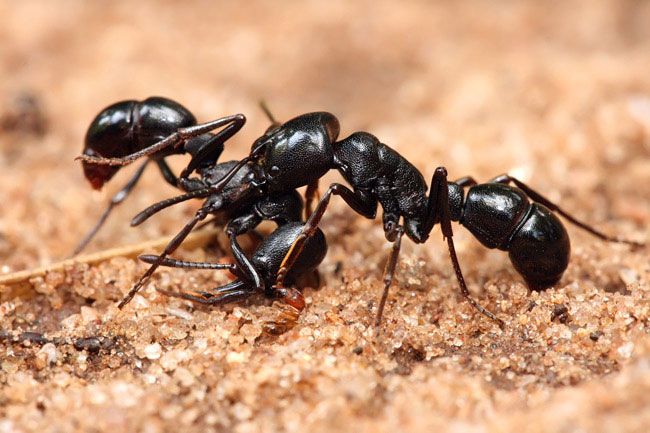


Do ants have a secret survival trick that allows them to withstand the tumultuous waters of a washing machine? Imagine tossing your clothes into the washer only to discover a trail of tiny ants scurrying about. It’s an unsettling situation that begs the question: Can ants actually survive in a washing machine?
In short, ants are remarkably adaptable creatures, but their chances of survival in a washing machine are slim. The combination of hot water, detergents, and the vigorous agitation during the washing process creates a hostile environment for these tiny insects. However, let’s delve deeper into the factors that may affect ant survival and explore some surprising insights.
Curious to know more about the resilience of these tiny insects and the intriguing dynamics between ants and washing machines? In this article, we will uncover the secrets of ant anatomy and behavior, demystify the inner workings of washing machines, and examine the factors that determine whether ants can withstand the washing cycle. Join us on this journey to discover the truth behind the possibility of ants surviving in a washing machine and gain valuable insights into preventing ant infestations in your laundry routine.
The Anatomy and Behavior of Ants
Ants, with their intricate anatomy and fascinating behavior, are among nature’s most remarkable creatures. Understanding their physical characteristics, behavior, and adaptive abilities provides insight into their incredible survival strategies and societal dynamics.
The physical characteristics of ants are a marvel of evolutionary design. These insects typically have a distinct head, thorax, and abdomen, with a pair of antennae that enable them to perceive their environment and communicate with other colony members. Their exoskeleton, composed of chitin, provides protection and structural support, while their six legs allow for efficient movement across various surfaces. Some ants possess additional features such as stingers or powerful mandibles, which they use for defense or capturing prey.
In addition to their remarkable anatomy, ants display intricate behavior and habits that contribute to their success as a species. These social insects live in organized colonies, with specific roles and tasks assigned to different members. A typical ant colony consists of workers, soldiers, and a queen, each playing a crucial role in maintaining the colony’s functionality. Workers are responsible for foraging, nest construction, and caring for the brood, while soldiers defend the colony against threats. The queen, often the largest individual in the colony, is responsible for reproduction, ensuring the survival and growth of the ant population.
Ants exhibit an impressive ability to adapt to a wide range of environments. From forests to deserts, and from underground tunnels to tree canopies, ants have successfully colonized diverse habitats across the globe. Their adaptability is driven by their intricate communication systems, which rely on pheromones and tactile signals to coordinate their activities and maintain social cohesion. Ants are capable of adjusting their foraging patterns, nest construction techniques, and even reproductive strategies to suit the specific demands of their environment.
Moreover, ants demonstrate remarkable problem-solving skills and collective intelligence. When faced with challenges such as locating food sources or overcoming obstacles, ants employ sophisticated strategies. For instance, some ant species engage in cooperative foraging, where scouts search for food and communicate its location to the rest of the colony. These coordinated efforts maximize efficiency and ensure the survival of the entire colony.
Ants’ ability to adapt and thrive in diverse environments has earned them the reputation of being highly successful insects. Their social organization, division of labor, and effective communication systems contribute to their resilience and ability to exploit available resources. Furthermore, ants play vital ecological roles such as seed dispersal, soil aeration, and predation on other pests, making them essential components of ecosystems worldwide.
Understanding Washing Machines

Washing machines are the backbone of our laundry routine, providing convenience and efficiency. Let’s explore their inner workings and the conditions ants may encounter during the washing process.
Washing machines work by combining water, detergent, and mechanical action to clean clothes. The key components and functions include the loading drum, water supply, detergent dispenser, agitation and rotation, and drainage system.
During the wash cycle, ants may find their way into the machine. However, the conditions within the washing machine, including water, detergents, and vigorous agitation, are generally unfavorable for ant survival. These factors can harm ants’ respiratory system and make it challenging for them to withstand the mechanical action.
Factors Affecting Ant Survival in Washing Machines
When it comes to the survival of ants in washing machines, several factors come into play. The effects of temperature, water exposure, and detergents can significantly impact ants’ ability to withstand the harsh conditions within the machine. Let’s explore these factors in detail:
Temperature: Effects of Hot and Cold Water on Ants
Temperature plays a crucial role in determining ants’ survival in a washing machine. Consider the following points:
Hot Water: Washing machines often use hot water to enhance the cleaning process and eliminate stains. For ants, exposure to hot water can be detrimental. The high temperatures can disrupt their metabolic processes, potentially causing heat stress and leading to their demise.
Cold Water: While cold water is less likely to cause immediate harm to ants, it still poses challenges for their survival. Cold temperatures can reduce ants’ activity levels, slow down their movement, and inhibit their ability to function properly. Prolonged exposure to cold water may eventually lead to hypothermia and mortality.
Water: Impact of Water Exposure on Ants’ Ability to Survive
Water exposure is another critical factor affecting ants’ survival in washing machines. Here’s how it influences their chances of making it through the wash cycle:
Drowning: Ants, like most insects, have a respiratory system that relies on air. When submerged in water for extended periods, ants can drown as they are unable to obtain the necessary oxygen. The water present in a washing machine poses a significant drowning risk for these small insects.
Loss of Protective Cuticle: Ants have a protective outer layer called the cuticle, which helps prevent water loss and maintain their internal moisture balance. Exposure to water, especially in the presence of detergents, can disrupt the integrity of this cuticle, leading to dehydration and subsequent death.
Detergents: Potential Toxicity of Detergents to Ants
Detergents used in washing machines contain various chemicals that aid in the cleaning process. These substances can have toxic effects on ants:
Chemical Exposure: Detergents often contain surfactants, enzymes, and other active ingredients that break down dirt and stains. While these components are effective for cleaning clothes, they can be harmful to ants. The exposure to detergent chemicals can disrupt their physiological processes, causing cellular damage and impairing vital functions.
Digestive Disturbance: Ants are known for their scavenging behavior, and they may come into contact with detergent residues while searching for food sources in the washing machine. Ingesting detergents can result in digestive disturbances, leading to adverse effects on ants’ health and survival.
Understanding these factors is crucial to comprehending the challenges ants face in surviving a washing machine cycle. The combination of temperature extremes, water exposure, and potential toxicity of detergents creates a hostile environment that ants are ill-equipped to withstand.
Ant Adaptations and Survival Strategies

Ants, with their remarkable adaptability, have evolved a range of natural adaptations and survival strategies that allow them to thrive in harsh conditions. From their ability to form protective groups to their strategic nest-building techniques, ants have developed unique approaches to ensure their survival. Let’s explore these fascinating adaptations and strategies, including their potential relevance to surviving in a washing machine.
Natural Adaptations of Ants to Harsh Conditions
Ants have evolved numerous adaptations that enable them to withstand challenging environments. Consider the following:
Exoskeleton: Ants possess a protective exoskeleton composed of chitin, which provides physical protection against external threats. This robust outer layer helps shield ants from potential harm in harsh conditions.
Water Resistance: The hydrophobic nature of ants’ exoskeleton, coupled with specialized hairs on their body, allows them to repel water and prevent excessive moisture absorption. This adaptation helps ants survive in wet environments by reducing the risk of drowning and maintaining their physiological balance.
Desiccation Resistance: In contrast to their water resistance, ants have also developed mechanisms to combat dehydration. They possess specialized glands that produce secretions, which can help them retain moisture and survive in arid conditions.
Ability of Ants to Form Protective Groups or Create Nests
One of the key survival strategies of ants is their ability to form protective groups or create nests. Here’s why this adaptation is crucial:
Colony Cohesion: Ants typically live in complex social structures known as colonies, where individuals work together for the benefit of the group. This cohesion and cooperation enhance their chances of survival in challenging circumstances.
Nest Construction: Ants exhibit remarkable nest-building abilities. Depending on the species, nests can range from simple underground burrows to elaborate structures composed of soil, plant material, or even constructed using their own silk. These nests provide protection from predators, fluctuations in temperature, and adverse weather conditions.
Potential Strategies Ants May Use to Survive in a Washing Machine
While surviving in a washing machine poses significant challenges for ants, their adaptable nature and resourcefulness may lead to the utilization of various strategies:
Finding Shelter: Ants may instinctively seek shelter in the crevices or gaps within the washing machine to escape the direct flow of water and minimize the impact of agitation. These hiding spots could provide temporary protection.
Clustering Together: Ants have the ability to form clusters or groups, which can enhance their chances of survival. By huddling together, ants may create a protective barrier against water and detergents, reducing the direct exposure to harmful elements.
Escaping through Drainage: Some ants, particularly smaller species, might find their way out of the washing machine through drainage openings. Their small size allows them to navigate through tiny spaces and find an escape route.
It’s important to note that the survival of ants in a washing machine is still unlikely due to the hostile environment created by hot water, detergents, and mechanical action. While ants possess impressive adaptations and survival strategies, these mechanisms may not suffice to withstand the specific conditions within a washing machine.
Experimental Studies and Observations
Understanding the survival of ants in washing machines has intrigued researchers, leading to various studies and experiments aimed at exploring this phenomenon. These studies provide valuable insights into the ability of ants to withstand the challenging conditions within a washing machine. Let’s examine some notable examples of experimental research conducted on ant survival in washing machines, the findings and conclusions of these studies, and any limitations or gaps in the existing research.
Example Studies on Ant Survival in Washing Machines
Several studies have focused on investigating the survival of ants in washing machines, shedding light on their resilience and adaptability. Here are two noteworthy examples:
Study 1: Ant Behavior and Survival in Simulated Washing Machine Conditions
- In this study, researchers simulated washing machine conditions by subjecting ants to controlled water temperature, agitation, and detergent exposure.
- Ants from different species were placed in water-filled containers with varying detergent concentrations and subjected to mechanical agitation.
- The study monitored the behavior and survival rates of ants under these simulated conditions.
Study 2: Observational Study of Ant Encounters in Household Washing Machines
- This observational study collected data from reports and anecdotes of individuals encountering ants in their washing machines.
- Researchers collected information on the frequency, species, and outcomes of ant encounters in household washing machines.
- The study aimed to gain insights into real-life scenarios and the potential survival strategies employed by ants in this environment.
Findings and Conclusions
The studies and observations on ant survival in washing machines have yielded valuable findings and conclusions:
Study 1 Findings: The simulated study revealed that ants exposed to hot water and detergent concentrations commonly found in washing machines experienced high mortality rates. The mechanical agitation further exacerbated their chances of survival. These findings suggest that the combination of these factors presents significant challenges for ant survival.
Study 2 Findings: The observational study documented a range of ant encounters in household washing machines. While some ants were found alive after the washing cycle, the majority did not survive. The presence of ants in the machines was likely due to accidental entry rather than their ability to withstand the washing process.
The findings collectively indicate that the conditions within a washing machine, including hot water, detergents, and mechanical action, pose considerable obstacles for ant survival. While a small number of ants may endure the washing process, their ability to withstand these conditions is limited.
Limitations and Gaps in Research
While the existing research provides valuable insights, it is important to acknowledge the limitations and gaps present:
Limited Species Representation: Many studies focus on specific ant species, and their findings may not be universally applicable to all ant species. Further research is needed to explore the responses of a broader range of ant species to washing machine conditions.
Artificial Experimental Settings: Simulated studies may not fully capture the complex and dynamic nature of a real washing machine environment. The controlled conditions in these experiments may not precisely replicate the variables encountered in actual washing machines.
Lack of Long-Term Studies: Most studies and observations capture short-term outcomes, such as immediate mortality rates. Long-term studies tracking the survival and long-term effects of washing machine exposure on ants are limited.
To advance our understanding of ant survival in washing machines, future research should consider addressing these limitations, expanding the range of ant species studied, and conducting more comprehensive and long-term investigations.
Real-Life Experiences and Anecdotal Evidence
Real-life experiences and anecdotal evidence provide valuable insights into the occurrence of ants in washing machines, offering glimpses into the variability of outcomes and possible explanations. By sharing anecdotes and stories from individuals who have encountered ants in their washing machines, we can explore the observations, outcomes, and potential factors contributing to these incidents.
Anecdotes and Stories of Ants in Washing Machines
Jane’s Unexpected Ant Encounter: Jane, a homeowner, discovered a few ants crawling inside her washing machine while loading clothes. She quickly removed the ants and proceeded with the wash cycle. To her surprise, some of the ants reappeared after the cycle was complete. Curious about their resilience, she monitored subsequent washes and noticed that the number of ants gradually decreased over time.
Mark’s Persistent Ant Problem: Mark had a recurring issue with ants in his washing machine. Despite taking precautions and sealing any potential entry points, ants kept finding their way into the machine. Mark observed that the ants would disappear during the wash cycle but reappear in subsequent cycles, suggesting their ability to survive within the machine for extended periods.
Outcomes and Observations
The outcomes and observations of these real-life experiences can vary, highlighting the unpredictable nature of ants in washing machines. Consider the following observations:
Ant Survival: In some cases, ants manage to survive the washing process and reappear after the cycle completes. This observation suggests that certain ants possess adaptive mechanisms that enable them to endure the adverse conditions within the machine.
Reduced Ant Population: Over time, the number of ants may decrease, indicating that the washing process, detergents, and agitation have adverse effects on their survival. While some ants may initially survive, the continued exposure to these factors likely reduces their population over successive wash cycles.
Variability in Outcomes and Possible Explanations
The variability in outcomes regarding ants in washing machines can be attributed to multiple factors. Here are some possible explanations:
Ant Species: Different ant species may exhibit varying levels of resilience to the conditions within a washing machine. Some species may possess adaptations that allow them to withstand water, detergents, and mechanical action more effectively than others.
Accidental Entry: Ants may accidentally enter the washing machine while foraging for food or seeking shelter. Their presence in the machine does not necessarily imply their ability to survive the wash cycle. Instead, it may be a result of accidental entry rather than intentional habitation.
Nesting Sites: The presence of ants in the washing machine could indicate the proximity of their nesting sites to the laundry area. If ants have established colonies nearby, they may inadvertently find their way into the machine due to their foraging behavior.
Sealing and Prevention: Taking preventive measures, such as sealing entry points and maintaining cleanliness in the laundry area, can help minimize ant encounters in washing machines. Regular inspection and prompt removal of food sources can discourage ants from entering the machine in the first place.
It is important to note that while anecdotes provide valuable insights, they may not represent the general outcome of ant encounters in washing machines. Further scientific research and controlled studies are necessary to validate these observations and explore the factors influencing ant survival in washing machines.
In summary, real-life experiences and anecdotal evidence shed light on the occurrence of ants in washing machines. The outcomes and observations can vary, with some ants managing to survive the washing process and reappear, while others experience reduced populations. The variability in outcomes can be attributed to factors such as ant species, accidental entry, nesting sites, and preventive measures. While anecdotes provide intriguing insights, additional research is needed to fully understand the dynamics of ant survival in washing machines.
Steps to Prevent Ant Infestation in Washing Machines
Preventing ant infestations in washing machines requires a proactive approach and a combination of preventive measures. By following these steps, you can minimize the likelihood of ants finding their way into your machine and ensure a pest-free laundry experience:
Proper Food Storage and Handling
Seal Food Containers: Store food items, especially those prone to attracting ants, in airtight containers. This prevents ants from detecting and accessing potential food sources in the vicinity of the washing machine.
Clean Spills and Crumbs: Promptly clean up any spills or crumbs in the laundry area. Even small food remnants can entice ants, so maintaining cleanliness is crucial in deterring them.
Sealing Entry Points
Identify Entry Points: Inspect the area surrounding your washing machine for potential entry points. Check for gaps or cracks in walls, windows, and doors that ants could exploit to gain access. Pay attention to utility openings, such as plumbing or electrical lines, as well.
Seal Cracks and Openings: Use caulk or sealant to fill in gaps and cracks that serve as entry points. Ensure a tight seal around pipes and utility openings to prevent ants from entering your laundry space.
Regular Maintenance and Cleaning
Keep the Area Clean: Maintain a clean and clutter-free laundry area to eliminate potential hiding spots for ants. Regularly sweep or vacuum the floor and wipe down surfaces to remove any traces of food or debris.
Check and Clean the Washing Machine: Inspect the washing machine regularly, paying attention to crevices and hidden areas where ants may seek refuge. Clean the machine’s exterior and interior to remove any residue that could attract ants.
Natural Deterrents and Repellents
Citrus-Based Cleaners: Use natural citrus-based cleaners to wipe down surfaces around the washing machine. The scent of citrus acts as a deterrent for ants, helping to discourage their presence.
Vinegar Solution: Create a solution of vinegar and water and use it to wipe down the walls, floors, and other surfaces near the washing machine. The strong odor of vinegar can repel ants.
Dealing with Ant Infestations
In the unfortunate event of an ant infestation in your washing machine, swift action is necessary to address the issue:
Identify the Source: Trace the ants back to their entry point or nest location. Identifying the source helps in implementing targeted control measures.
Ant Baits and Traps: Place ant baits or traps near the washing machine to attract and eliminate the ants. Follow the instructions provided with the bait or trap for optimal effectiveness.
Professional Pest Control: If the infestation persists or proves challenging to handle, consider seeking the assistance of professional pest control services. They have the expertise and resources to effectively eliminate ant infestations.
By following these preventive measures and taking appropriate action in case of an infestation, you can significantly reduce the chances of ants infiltrating your washing machine. Remember, prevention is key, so implementing these steps as part of your routine maintenance and cleanliness practices is essential to keep ants at bay.
People Also Ask
- What happens if ants get into a washing machine?
When ants get into a washing machine, it can lead to several undesirable outcomes. Firstly, the presence of ants may contaminate your clothes with their trails, feces, or body parts. This can be particularly problematic if you have allergies or sensitivities to insect residues. Secondly, the agitation and exposure to water and detergent during the washing process can harm or kill the ants. However, some ants may survive and reappear in subsequent cycles, depending on their resilience and species. It’s important to address ant infestations promptly to prevent further encounters and potential damage to the machine. Taking preventive measures, such as sealing entry points and practicing proper food storage, can help minimize the likelihood of ants finding their way into the washing machine in the first place.
- Are ants resistant to water and detergents?
Ants are not inherently resistant to water and detergents. While certain ant species possess adaptations that enable them to survive in challenging environments, exposure to water and detergents can be detrimental to their well-being. Hot water and high concentrations of detergents commonly found in washing machines can pose significant challenges for ant survival. The combination of these factors, along with the mechanical agitation during the washing process, can result in the mortality of ants. However, the extent of their resistance or susceptibility varies among different ant species. Some ants may exhibit a degree of resilience and survive the washing process, while others may perish. It’s important to note that while some ants may withstand water and detergents to a certain extent, the conditions within a washing machine can still pose significant obstacles to their survival.
- Do ants form colonies or nests inside washing machines?
Ants do not typically form colonies or nests inside washing machines. While ants may accidentally find their way into the machine in search of food or shelter, it is not their preferred nesting environment. Washing machines lack the essential elements necessary for ants to establish and maintain a colony, such as suitable nesting materials, humidity levels, and access to food sources. Ants are more likely to construct their colonies in outdoor areas, within soil, or in protected locations closer to their natural habitats. Therefore, if ants are discovered in a washing machine, it is more likely a result of accidental entry rather than intentional colonization. Promptly removing the ants and taking preventive measures to seal entry points can help prevent further encounters in the future.
- Are there any natural remedies to remove ants from washing machines?
Yes, there are natural remedies that can help remove ants from washing machines. One effective method is to use a solution of vinegar and water. Create a mixture of equal parts vinegar and water and use it to wipe down the surfaces of the washing machine, including the interior drum, lid, and surrounding areas. The strong odor of vinegar acts as a deterrent and helps repel ants. Another natural remedy is to use citrus-based cleaners. The scent of citrus, whether from fresh citrus peels or citrus essential oils, can discourage ants from entering the machine. Simply wipe down the affected areas with a cloth soaked in the citrus solution. These natural remedies provide non-toxic and environmentally friendly options for eliminating ants from washing machines. Remember to follow proper cleaning procedures and consult the manufacturer’s guidelines to ensure the safety of your washing machine.
The bottom line
As a result, while ants are adaptable creatures capable of surviving in various environments, their chances of surviving in a washing machine are remote. These insects are difficult to breed in large numbers due to the combination of hot water, detergents, and the intense agitation that occurs during the washing process. The washing machine’s hostile environment, on the other hand, makes it difficult for them to survive; they may adapt to it, but their survival strategies do not match that of the machine.
Throughout this article, we examined the anatomy and behavior of ants, gaining insight into their remarkable adaptability. Finally, we examined the inner workings of washing machines in order to better understand how ant survival is compromised by them. Temperature, water exposure, and detergent use are some of the factors that contribute to the harsh conditions that washing machines typically experience.
Despite the fact that there is limited research on the effects of washing machines on ants, it is reasonable to conclude that they are not uncommon. Taking preventative measures against ant infestations in your washing machine and laundry area, however, is the best way to avoid ant infestations in your washing machine. If you take the necessary steps to store your food properly, seal entry points, and address any infestations as soon as possible, you may be able to avoid ants entering your laundry routine.
I can’t help but conclude that ants won’t survive in a washing machine. Because it is so hot, soapy, and mechanical, these tiny insects find it difficult to survive. If you come across ants in unexpected places, you can rest assured that your washing machine will not become a haven for them.
About Author