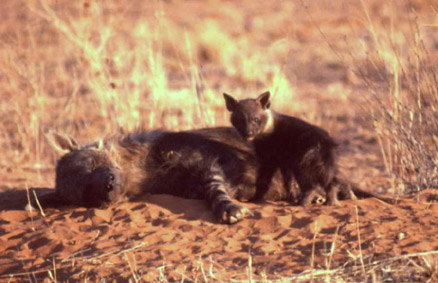
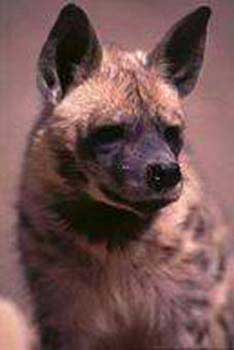
Spotted hyaenas are the most abundant large carnivore in Africa. Since the late 1990s, confirmed records of C. crocuta have come from Tanzania, Kenya, Zambia, Zimbabwe, Mozambique, South Africa, Botswana, Namibia, Congo, Sudan, Central African Republic, Cameroon, Nigeria, Burkina Faso, Ivory Coast, Mali, Senegal, and Sierra Leone. Although spotted hyaenas occur throughout sub-Saharan Africa, their density varies… Continue reading Spotted Hyaena: Distribution and Habitat
Spotted Hyaena: Association with other species
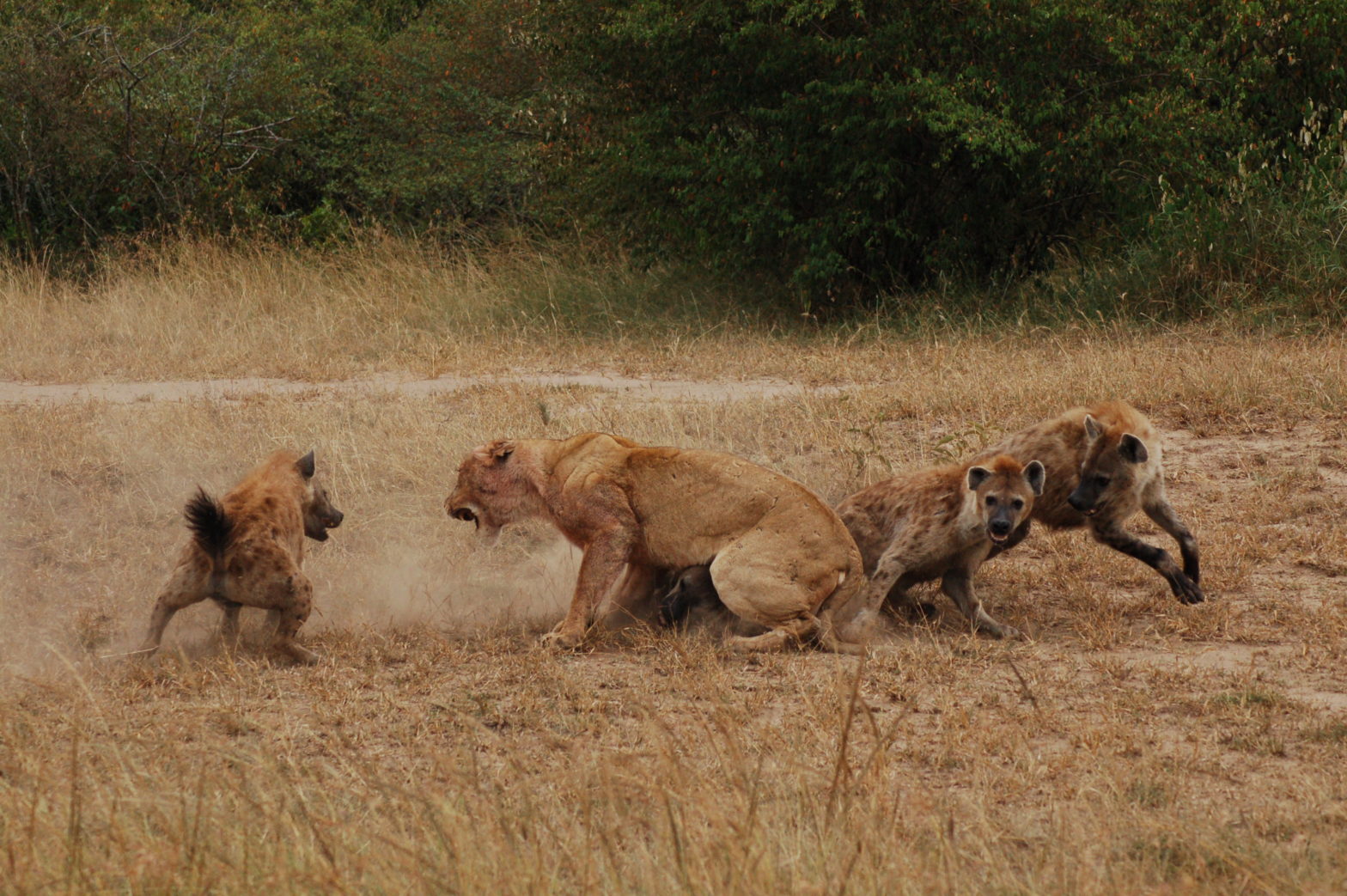
The spotted hyaena most frequently competes with the lion for kills (Kruuk 1972a, Schaller 1972a, Bearder 1977, Eaton 1979). Dominance relations between the spotted hyaena and competing species are not absolute but depend on the numerical presence of both parties. For instance, lions usually displace spotted hyaenas at kills. However, if hyaena group size is… Continue reading Spotted Hyaena: Association with other species
Spotted Hyaena: Status and Conservation
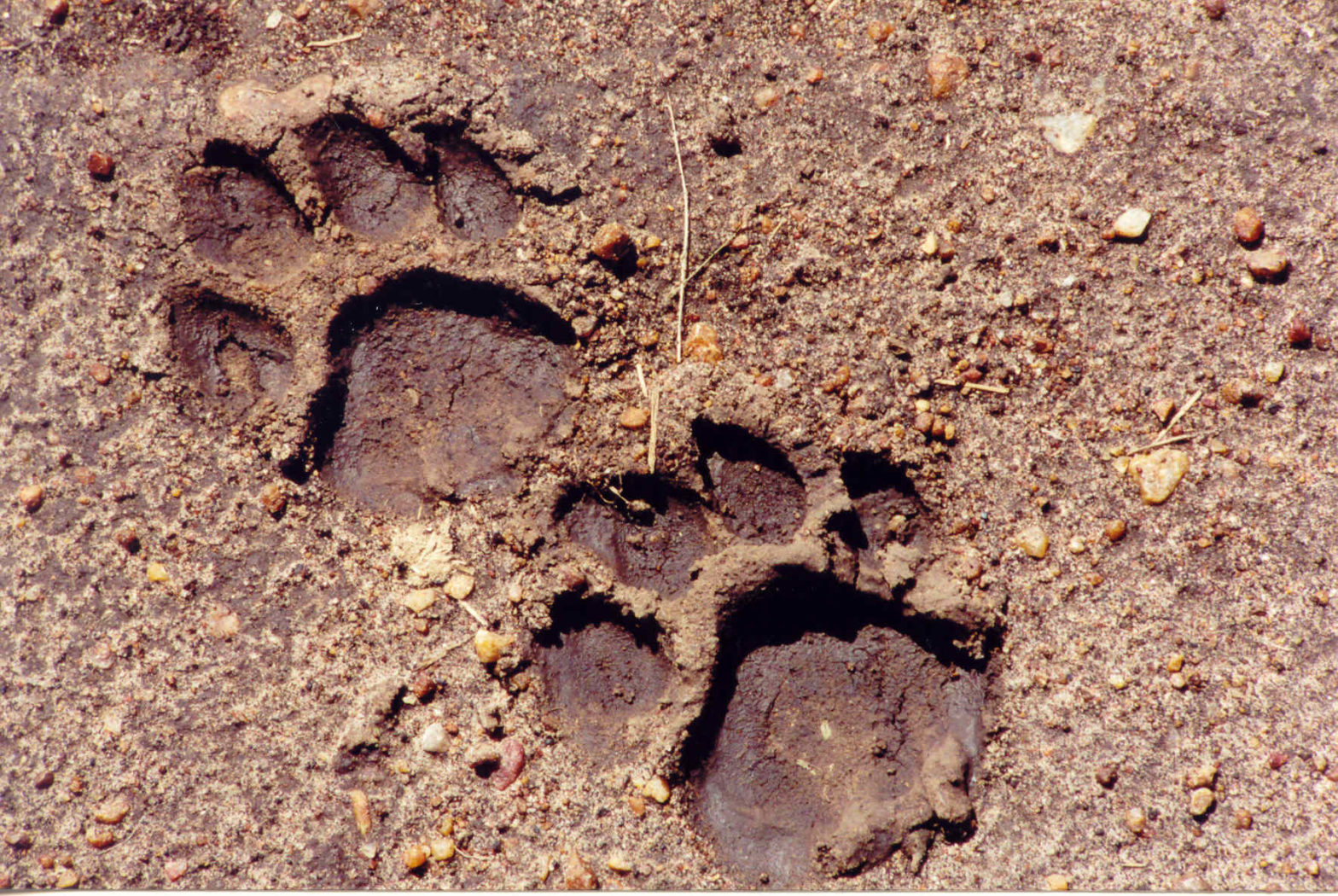
Threats The spotted hyena has been, and still is, widely shot, poisoned, trapped, and snared, even inside some protected areas. Persecution most often occurs in farming areas after confirmed or assumed damage to livestock, or as a preventative measure to protect livestock. However, it may also take place “for fun” and as “target practice” (Namibia,… Continue reading Spotted Hyaena: Status and Conservation
Aardwolf: Distribution and Habitat
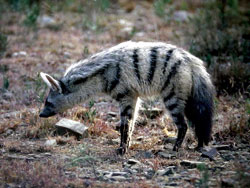
Aardwolves occur solely on the continent of Africa. There are two separate populations. One population is found in southern Africa (including the countries of South Africa, Namibia, Botswana, Zimbabwe, southern Angola, southern Zambia, and southwestern Mozambique). The other northern population ranges from central Tanzania through northeastern Uganda, Kenya, Somalia, along the coast of Ethiopia and… Continue reading Aardwolf: Distribution and Habitat
Aardwolf: Social Behavior
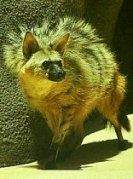
The aardwolf is socially monogamous, a mated pair occupying a perennial territory with their most recent offspring. The offspring stay in their natal territory for one year, and disperse around the time when the next litter is born. Territories are fiercely guarded and range in size from one to four km², the size being determined… Continue reading Aardwolf: Social Behavior
Aardwolf: Reproduction
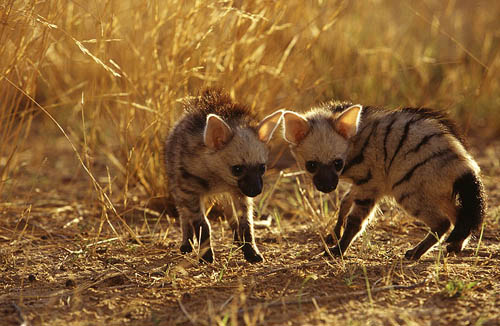
In the North Cape Province of South Africa females come into pro-oestrus during the last weeks of June (mid-winter). Mating usually takes place during the first two weeks of July. The aardwolf is highly promiscuous with dominant males often gaining copulations with the females of subordinate males in neighbouring territories. Copulation may last up to… Continue reading Aardwolf: Reproduction
Aardwolf: Status and Conservation
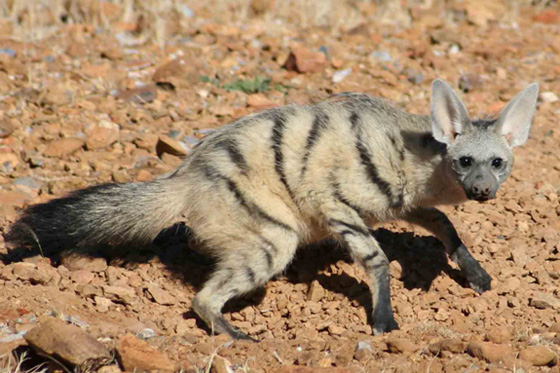
Status Although there is little information from most northern range states, the overall status of the aardwolf currently can be described as Lower Risk: Least Concern (IUCN, 1996, appendix 6). Threats and Conservation Although the aardwolf may be harvested as a food source and purposefully or accidentally killed in predator control programs, these mortalities appear… Continue reading Aardwolf: Status and Conservation